History & Culture
Talayotic Menorca
UNESCO World Heritage since 2023
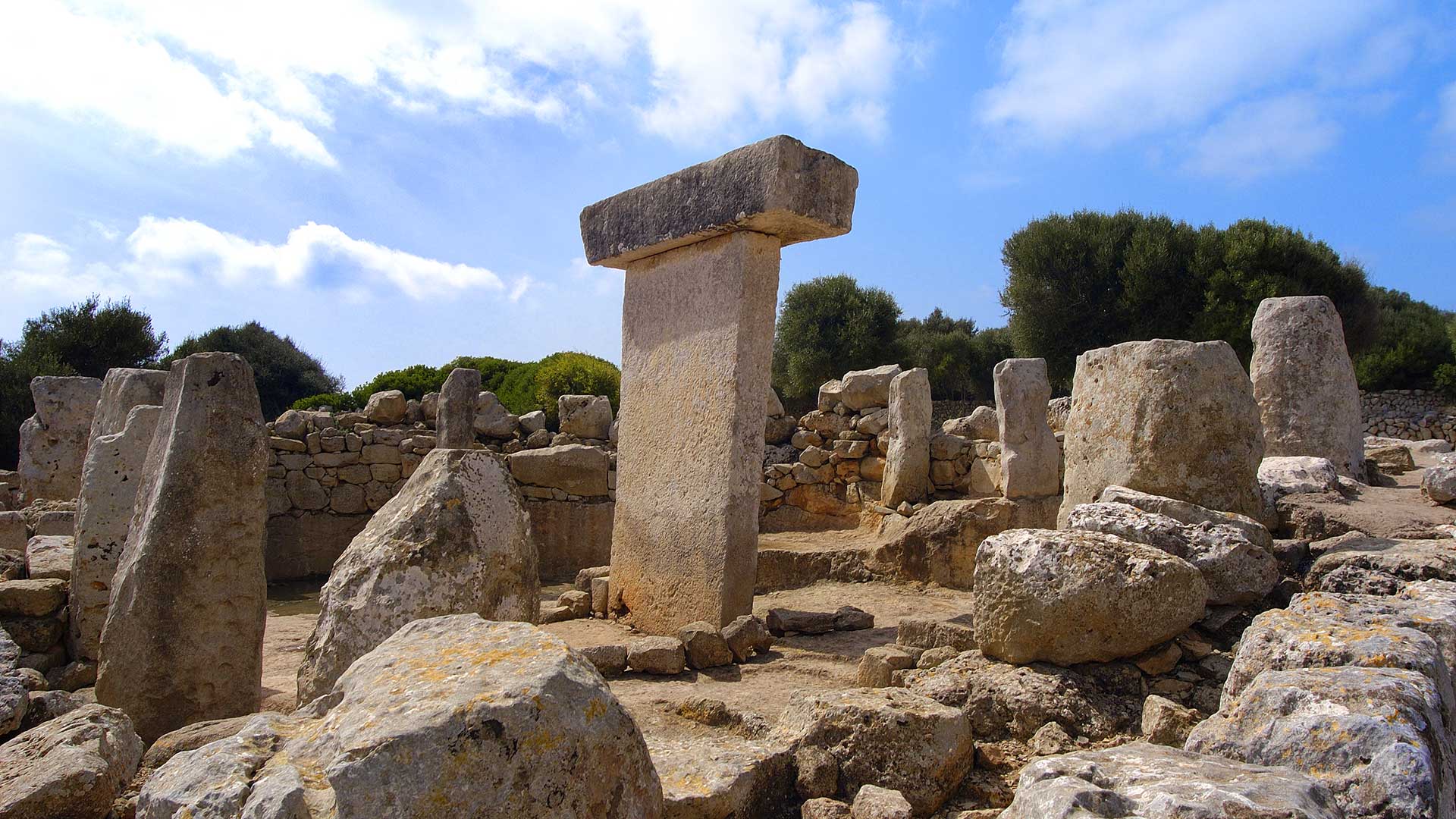
Menorca holds more than 1,500 prehistoric sites — over two per square kilometer — making up one of the most unique archaeological landscapes in the Mediterranean. Known as Talayotic Menorca, it was inscribed on the UNESCO World Heritage List in 2023.
The first humans arrived on Menorca a little over 4,000 years ago, producing structures found nowhere else: T-shaped taula enclosures, cone-shaped talayot towers, and boat-shaped burial navetas, all built from enormous stone blocks without mortar.
More on the sites, routes, and opening times: menorcatalayotica.info.
More on the UNESCO designation: illesbalears.travel.
Torre d'en Galmés
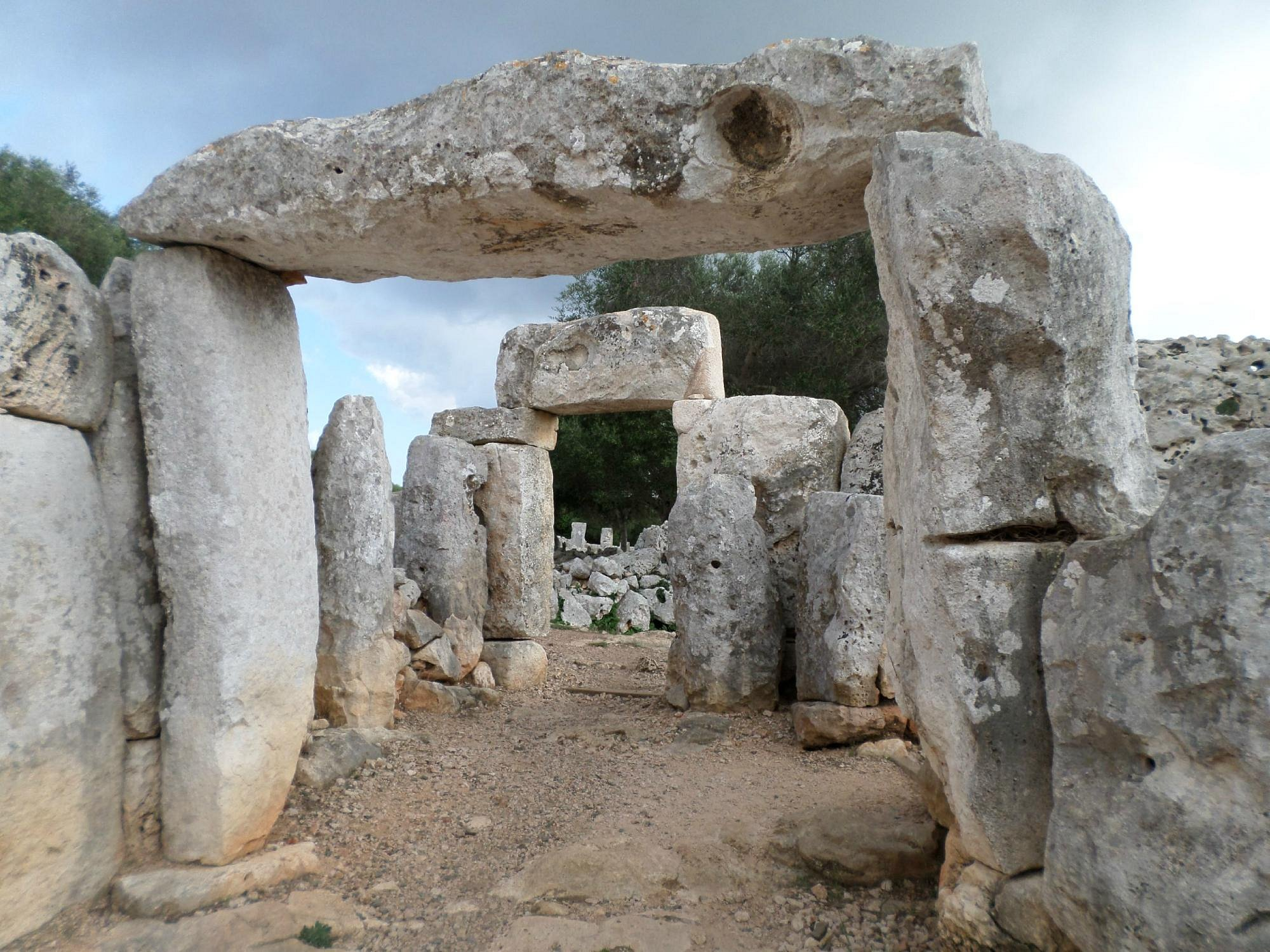
Torre d'en Galmés, extending over six hectares, the biggest in Menorca and one of the biggest in the Balearic Islands. The settlement is highly monumental and preserves a great diversity of constructions of a remarkable quality. Located between Son Bou and Alaior.
A UNESCO Biosphere Reserve, Too
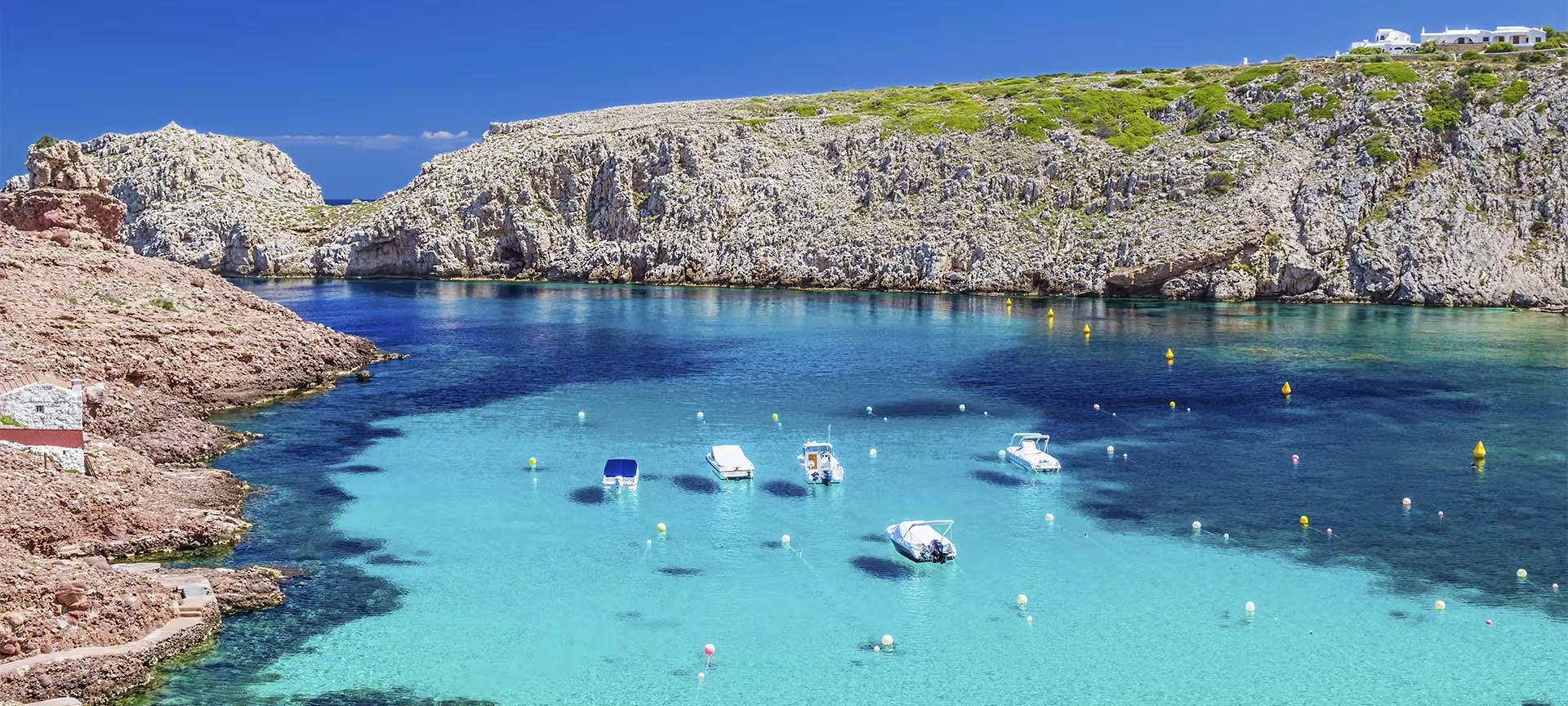
Menorca was declared a UNESCO Biosphere Reserve on 8 October 1993 — three decades before the Talayotic sites earned their own separate UNESCO World Heritage listing in 2023. The two are easy to mix up but recognize different things: the Talayotic listing protects specific archaeological sites, while the Biosphere designation covers the entire island and, since 2019, its surrounding seas out to 12 nautical miles. It isn't a protection order like a national park — it's UNESCO's recognition that a place has struck an unusually good balance between human development and a healthy natural environment. Menorca earned it because, unlike Mallorca or Ibiza, it never gave itself over to high-rise coastal development: most of the coastline remains undeveloped, and traditional farming and fishing have coexisted with tourism rather than being replaced by it.
The payoff is visible everywhere you go: the Camí de Cavalls coastal path circling the whole island, dark night skies with little light pollution, empty coves a short walk from the road, and farmland that still looks much as it did a century ago. It's a big part of why Menorca feels so different from its neighboring islands.
Maó or Mahón?
The capital, and the two names it answers to
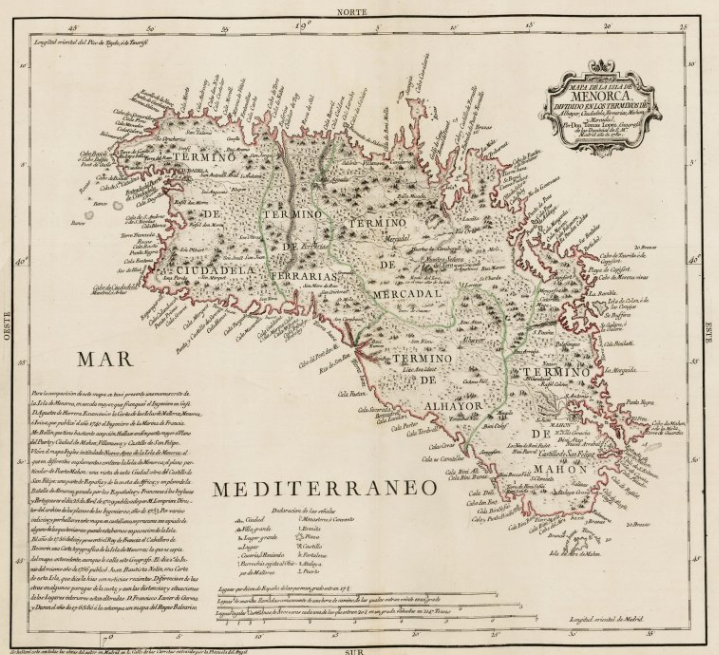
You will see the island's capital written both ways, often on the same road sign. Maó is the Catalan form — Menorquín, the local dialect of Catalan, is what people speak here day to day. Mahón is the Castilian Spanish form. Both are official: the town council adopted the double name Maó-Mahón, and it is the version you will find on municipal documents, while airport boards, bus timetables, and menus pick whichever suits them. Neither is a mistake, and neither is more correct than the other.
In practice: locals say Maó. Cheese, gin, and mayonnaise are almost always sold under the Spanish spelling — Mahón cheese, Gin de Mahón, mahonesa — because that is how the world came to know them.
Where the name comes from
Tradition traces it to Mago Barca, the Carthaginian general and brother of Hannibal, said to have sheltered his fleet in the harbour around 205 BC. The Romans later recorded the settlement as Portus Magonis — the port of Mago — and every later spelling descends from that. Historians treat the Mago story with some caution, but the Roman name is solid ground, and it explains why a Catalan town carries a Punic name.
After the Romans came Vandals, Byzantines, and then close to four centuries of Muslim rule, which ended when Alfonso III of Aragon took the island in 1287. The harbour kept drawing outsiders: the Ottoman corsair fleet under Barbarossa sacked the town in 1535, carrying off much of its population.
Why it became the capital
The harbour is the whole answer. Running roughly five kilometres inland, deep and sheltered from every wind, it is one of the largest natural harbours in the Mediterranean — and the reason Britain, France, and Spain spent the 18th century fighting over an island of farmers and fishermen.
Ciutadella, at the opposite end of the island, had been the capital and the seat of the old Menorcan aristocracy. In 1722 the first British governor, Sir Richard Kane, moved the seat of government to Maó to sit beside the fleet, and built the road between the two towns that still bears his name. The nobility stayed in Ciutadella; the money, the ships, and the administration moved east. Maó has been the capital ever since.
Typical Menorcan Bakes
Centuries-old traditions, still baked daily
The one you'll find everywhere is the ensaimada — a coiled, feather-light pastry filled with crème pâtissière, sweet pumpkin (cabell d'àngel), or left plain. You'll also find savory versions filled with sobrassada, Menorca's spreadable, paprika-red chorizo.
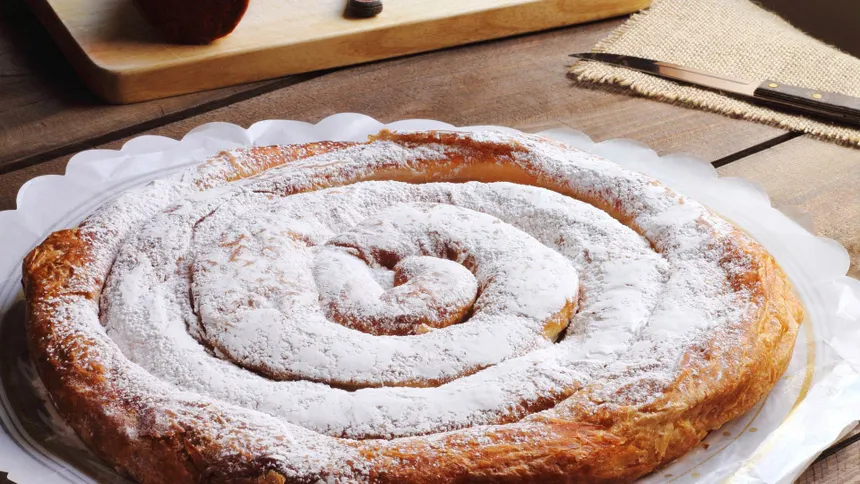
Ensaimada
The most popular of all — a coiled, sugar-dusted pastry, plain or filled.
Crespellines
A traditional Menorcan pastry, less commonly found outside home kitchens.
Pastissets
Small, delicate pastries — another of the island's local bakery traditions.
Carquinyols
Sweet, crunchy almond bakes of Arab origin — most famously made in Es Mercadal.
Gin & Pomada
A British legacy, distilled the Menorcan way
Gin de Menorca was born during the British occupation of the island (1708–1802). British sailors and soldiers stationed in the deep-water port of Maó wanted gin, so local distillers began making their own version.
Grape Base
Unlike most gins, Menorcan gin uses wine alcohol as its base spirit, giving it a rounder, softer profile.
Botanicals
Wild-harvested juniper berries along with a secret blend of Mediterranean herbs and citrus.
Protected Status
"Gin de Maón" holds a Geographic Indication — one of very few gins in the world with such protected status.
Pomada
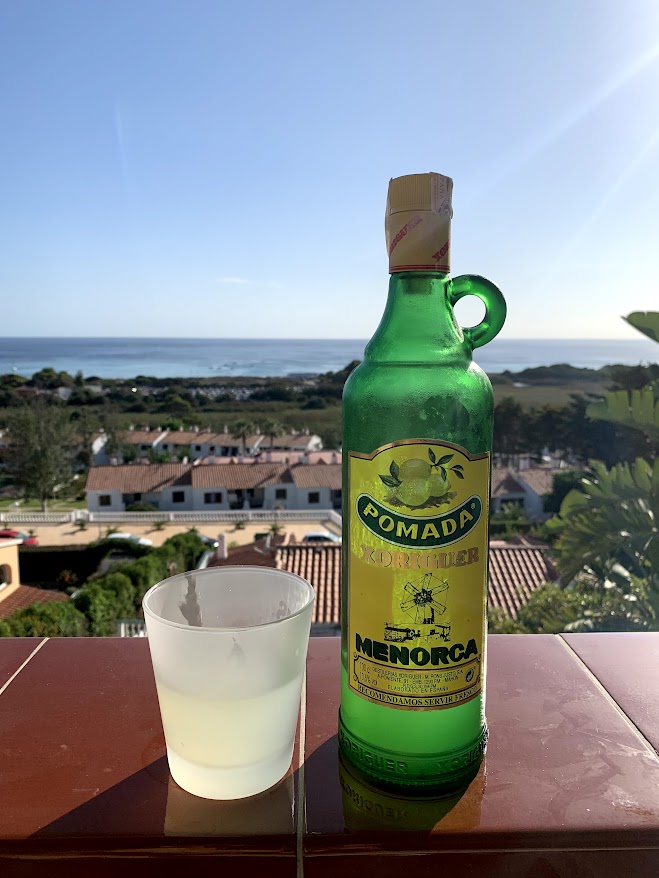
The traditional way to drink it — Xoriguer gin topped with lemonade or lemon soda over ice.
Mahón Cheese
A Denomination of Origin since medieval times
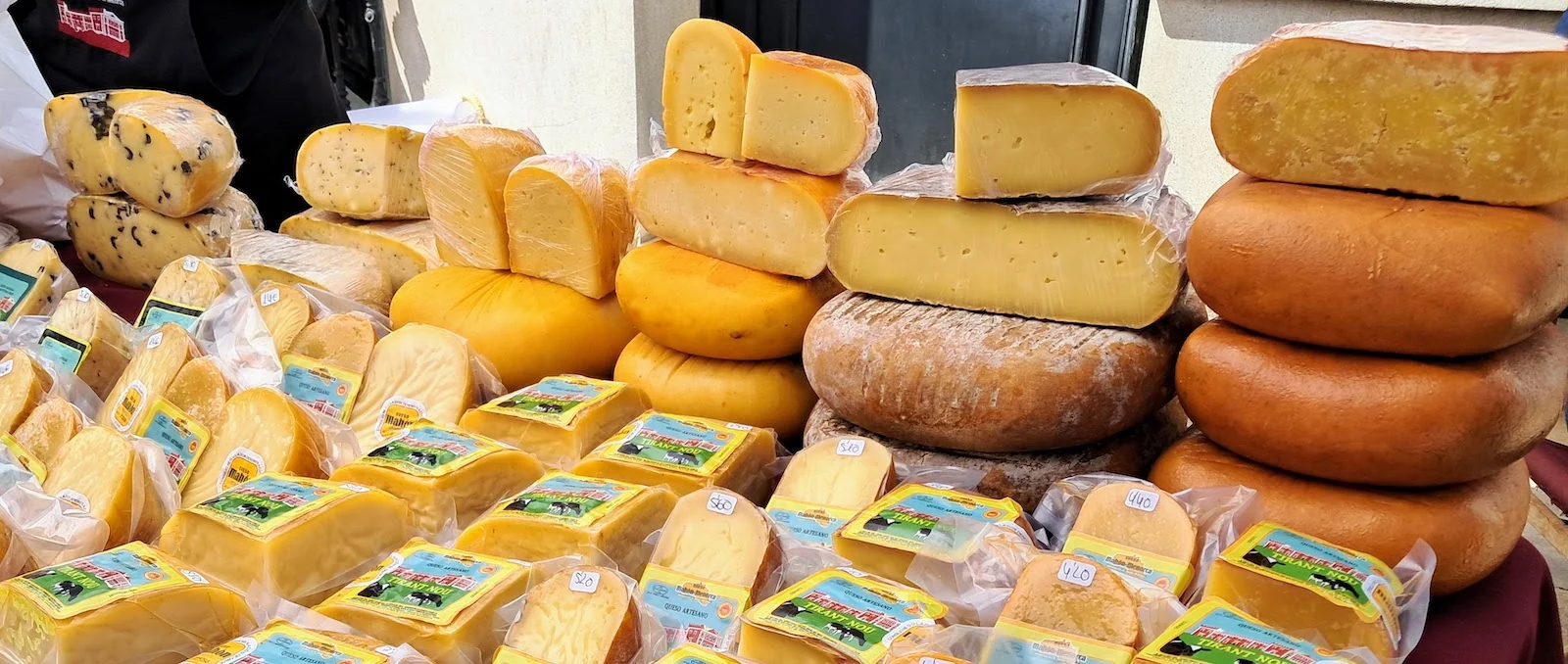
The history of Mahón cheese dates back to the 13th century when the island of Menorca was under Moorish rule. The Moors were known for their expertise in cheese-making, and they introduced the technique of making hard cheese to the island. Over time, the cheese-making process evolved and the cheese became popular among the locals and visitors to the island.
Today, Mahón cheese is protected by the Denomination of Origin (D.O.) certification, which means that it can only be made on the island of Menorca using traditional methods. The certification ensures that the cheese maintains its unique qualities and flavors.
British Menorca
1708–1802, in three phases
Menorca's strategic harbor made it a prize fought over by Britain, France, and Spain for most of the 18th century. Britain took the island in 1708 and held it, on and off, until 1802 — the Treaty of Utrecht (1713) formally ceded Menorca to Britain alongside Gibraltar.
The first British governor, Sir Richard Kane, moved the island's capital from Ciutadella to Maó in 1722 and built the road connecting the two cities — still known today as the Camí d'en Kane.
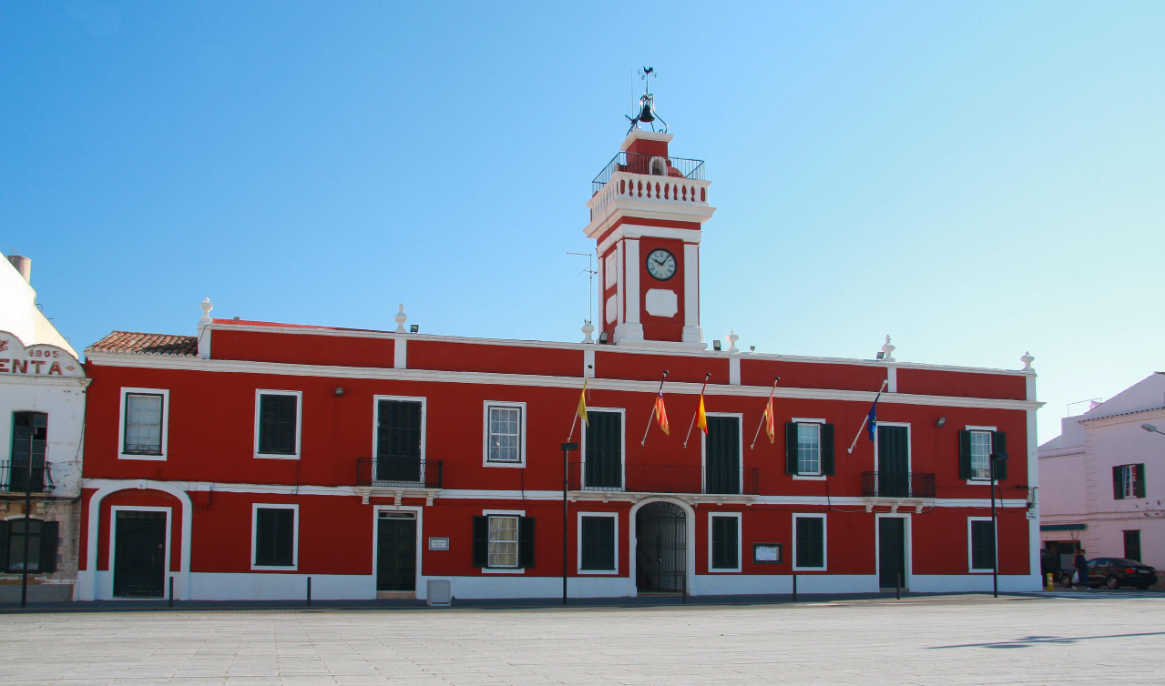
During their second occupation of the island, the British built a new military barracks town, which they called Georgetown, after King George III. This was a short distance from the walls of the ancient Fort San Felipe. This is Es Castell of today with the red painted barracks still surrounding the British Parade Square. Red painted buildings signify historic and largely ex-military buildings.
Cathedrals & Churches
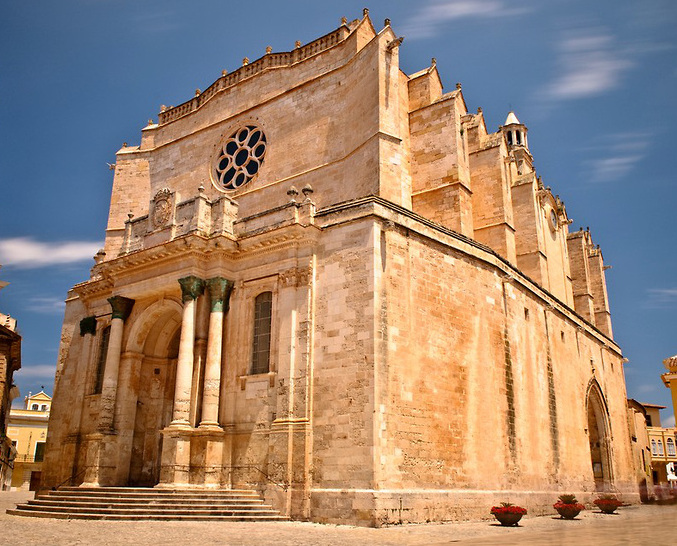
Cathedral of Santa María, Ciutadella
Built 1300–1362 in Catalan Gothic style, on the site of the city's former great mosque. Nicknamed the "Cathedral of Light."
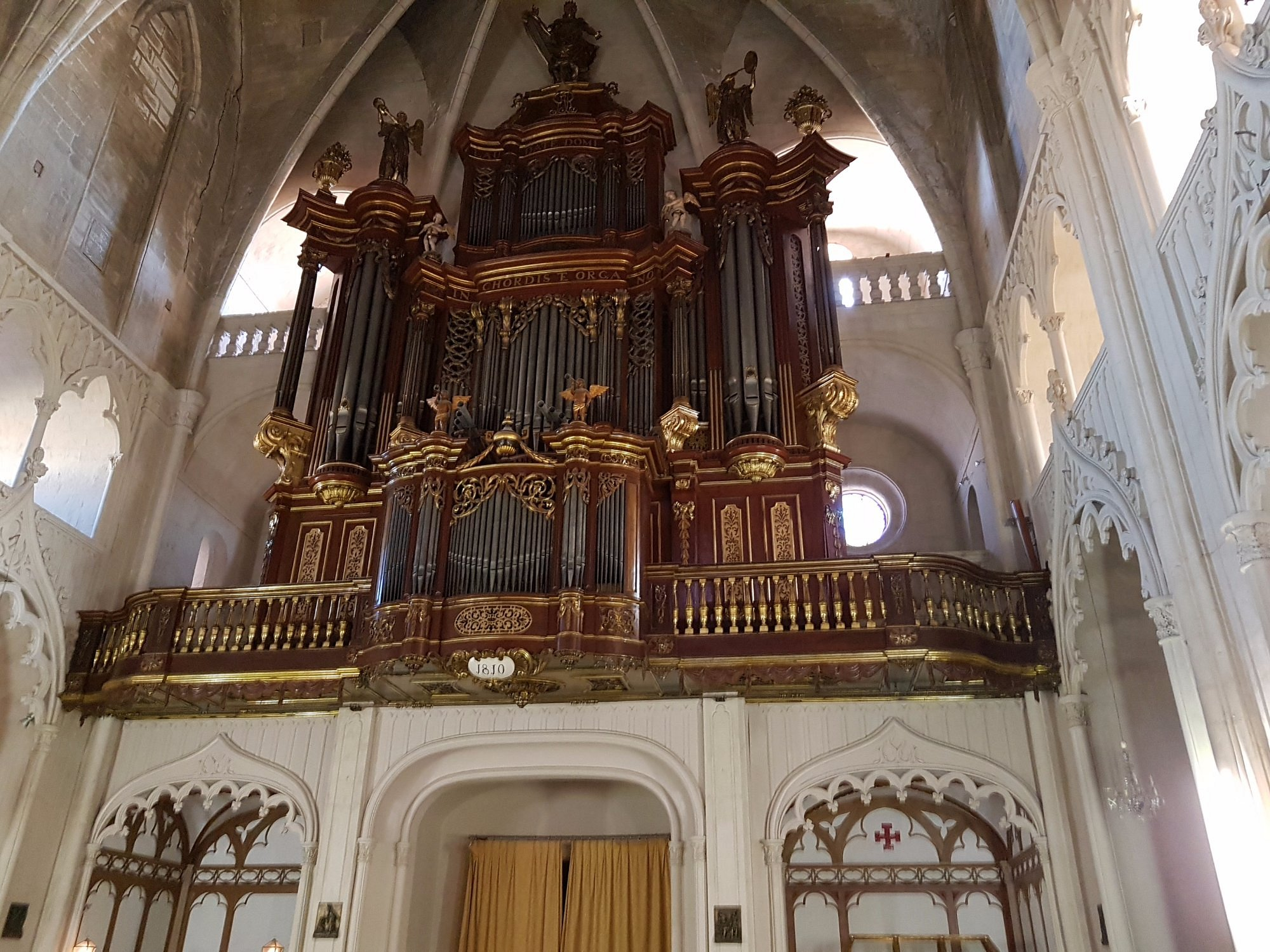
Church of Santa María, Maó
Built 1748–1771. Houses one of the finest baroque organs in Spain, still used for summer concerts.
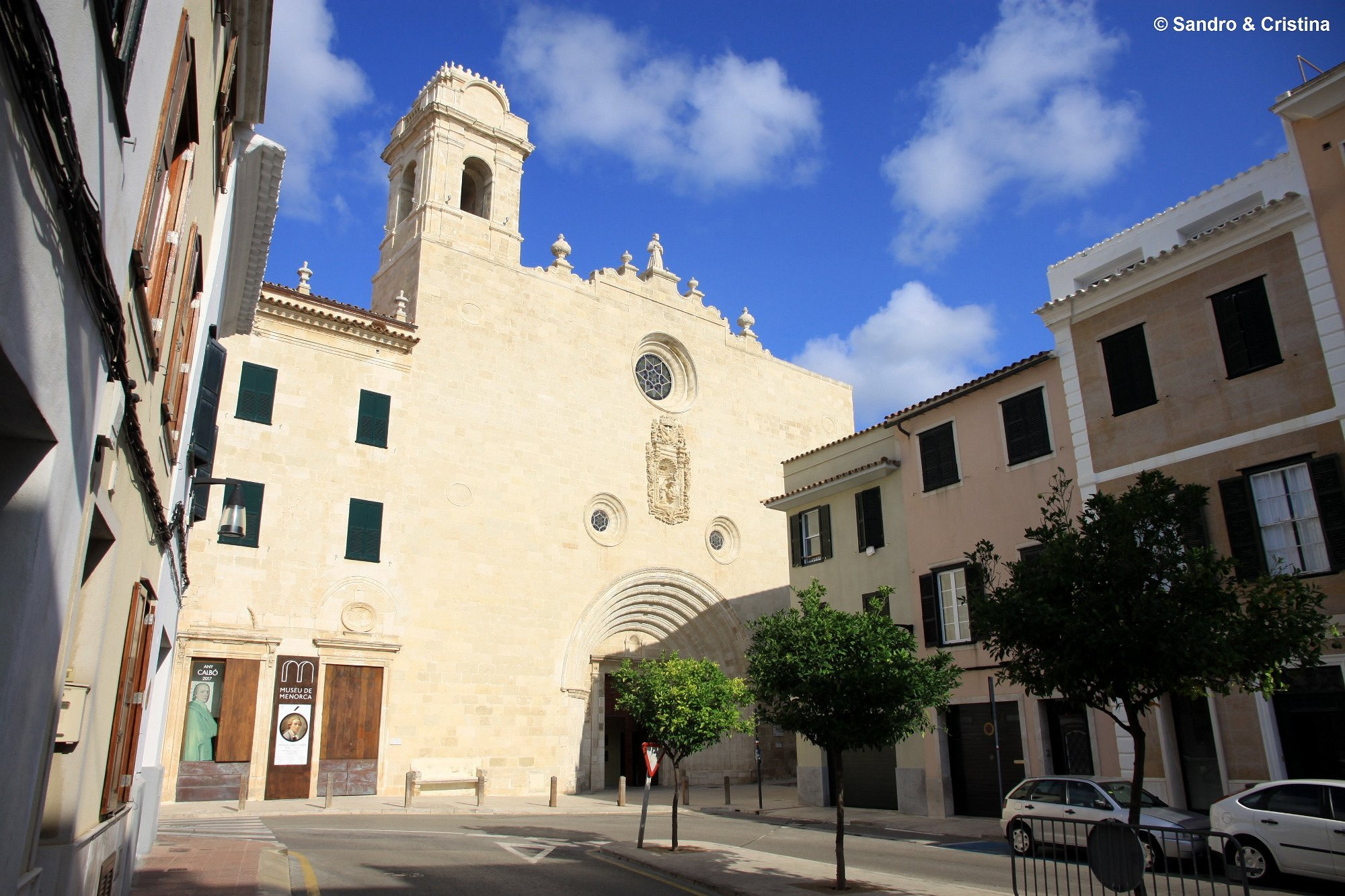
Church of Sant Francesc, Maó
Completed in 1759, a good example of the Georgian-influenced architecture built during the British years.
Fiestas
A summer built around horses
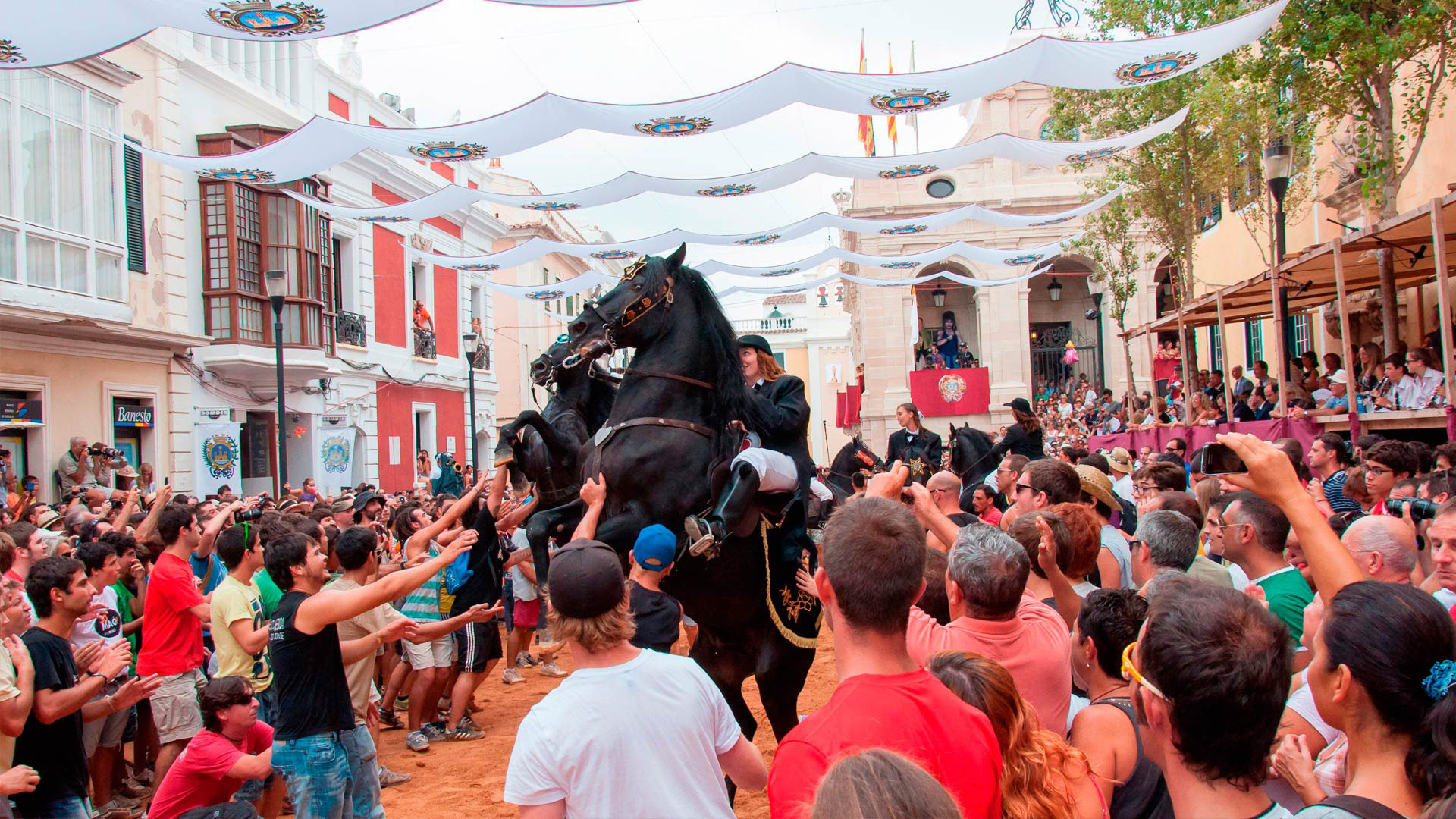
Every Menorcan town has its own summer festes, each built around the same centuries-old tradition: riders on Menorquín horses parading and rearing through packed town squares.
The season opens with the Festes de Sant Joan in Ciutadella on 23–24 June, dating back to the 14th century, building to the Caragol des Born. The summer closes in September with the Festes de la Mare de Déu de Gràcia in Maó.
The Birth of Mayonnaise
A Menorcan sauce, not a French one
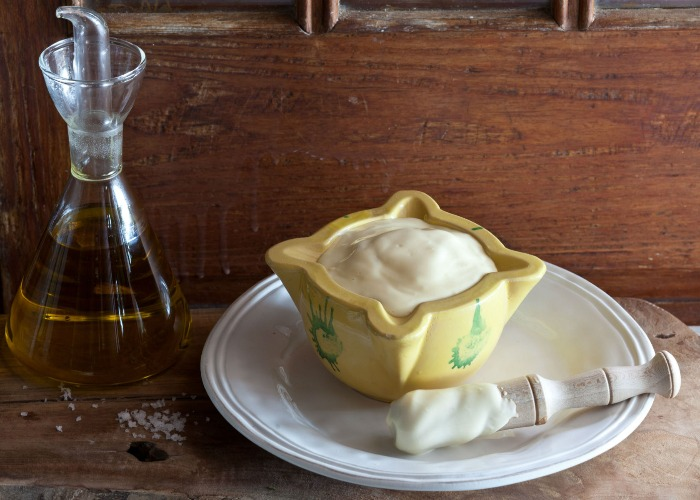
Mayonnaise takes its name from Maó, the capital of Menorca. In 1756, during the Seven Years' War, French forces under the Duke of Richelieu captured the island's port from the British. As the story goes, Richelieu was served a local sauce — a version of the Catalan garlic-and-oil alioli — at a Maó tavern, and liked it enough to bring the recipe back to France, where it became known as "sauce mahonnaise."
The tale has been argued over for generations, but a 1750 Menorcan manuscript rediscovered in 2022 has strengthened the case that the sauce truly originated in Menorca.